Nowadays, people use the terms anxiety and panic attacks interchangeably. They may seem alike, but they are not the same experience. Knowing the difference can help you understand what is occurring with your body and mind, eliminate confusion, and point you in the right direction for help.
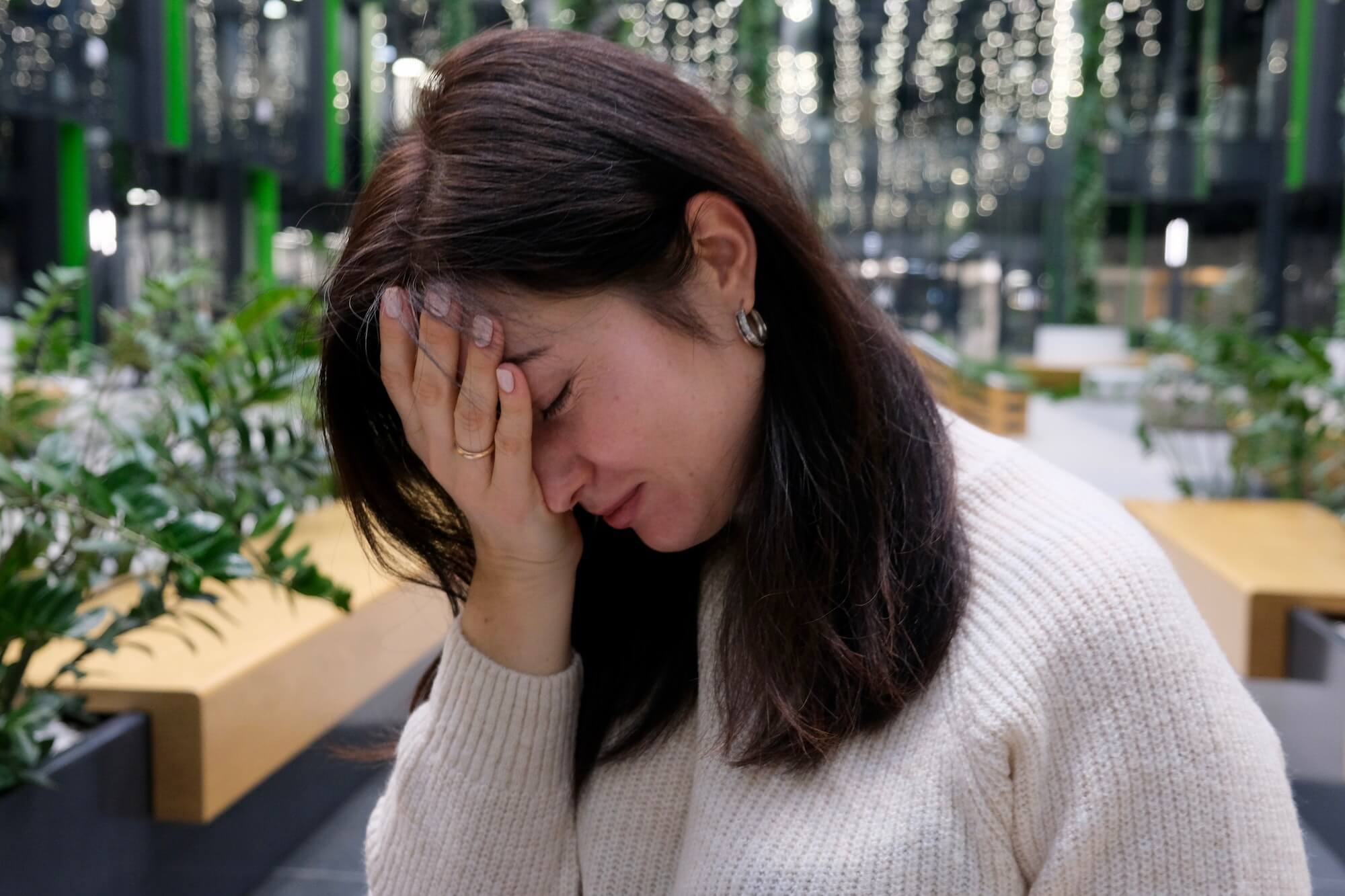
When anxiety or sudden panic overtake you, the physical feelings can be scary. You might be scared. Your heart might beat faster. You might breathe faster. You might think, Is this anything serious? Many people even mistake these sensations for a medical emergency.
It is crucial to understand the difference between Anxiety vs Panic Attacks because each ailment has different patterns, triggers and treatment techniques. Both can impact your daily life, relationships, work performance, and emotional well-being. But understanding how they differ might make the symptoms less mystifying and more bearable.
Anxiety vs Panic Attacks: What is the Difference?
Anxiety is a normal reaction to stress, uncertainty or threats. It often develops gradually and might last for hours, days or even weeks. This can occur in anticipation of a difficult event, during a period of stress, or for no apparent reason.
A panic attack is an abrupt surge of severe fear or discomfort that peaks within minutes. It can happen without warning and typically comes with a sudden feeling of fear, even when there is no real threat.
Some symptoms may be alike for anxiety and panic attacks, but often the severity, timing, and experience of each are distinct.
What Anxiety Feels Like (Usually)
Increased anxiety develops slowly. Some people may have more worry, tension, restlessness or difficulties concentrating during the day.
Some common anxiety attack symptoms include:
- Endless anxiety
- A feeling of being on edge
- Irritability.
- muscle strain
- Difficulty sleeping
- Tiredness
- Trouble concentrating
Many people also have bodily symptoms. Ongoing stress may manifest as stomach discomfort, perspiration, shaking or a racing heartbeat.
What a Normal Panic Attack Feels Like
A panic attack will likely come on unexpectedly and without warning. Symptoms can develop very rapidly, within minutes.
Many people say it feels like being caught in a huge wave of panic. The body’s fear response is quite active during an episode and can produce sensations that feel overwhelming and terrifying.
Typical panic disorder symptoms are:
- Racing heartbeat
- Sweat
- Trembling Dizziness
- Nauseous
- Tingling feelings
- Dissociative
- Fear of being out of control
Breathing problems, such as shortness of breath, can be one of the most troubling symptoms. It might seem like you can’t get enough air even if you are breathing normally.
Major Difference Between Anxiety Attack and Panic Attack
Both are unpleasant sensations, but some features may help to separate them.
Anxiety Usually Has an Identifiable Trigger
Anxiety is a normal reaction to a stressful environment. Symptoms may be due to impending deadlines, financial issues, relationship conflicts or health fears.
The severity may vary throughout the day, but a continuing worry generally accompanies it.
Panic Attacks Can Seem to Appear Out of Nowhere
Sometimes a panic attack might occur for no apparent reason. Some people encounter them when driving, shopping, sitting at home or even sleeping.
Many people become afraid of having another episode since they might feel unexpected, and this can elevate anxiety levels overall.
Different Time Durations
“Anxiety can last a long while.
The assault is normally at its height in 10 minutes and lessens in thirty minutes, but the emotional overwhelm may be prolonged.
Intensity Varies Significantly
Anxiety can range from moderate uneasiness to major suffering.
Panic attacks consist of a rapid rush of terror with powerful bodily feelings that require urgent attention.
Physical Symptoms That Often Mislead
One reason individuals have difficulty distinguishing between them is that both illnesses affect the body.
The brain detects danger and initiates the nervous system response in the body, even if there’s no real threat.
Heart Problems and Chest Pain
This is why so many people with panic or anxiety are afraid they are suffering a heart attack.
For others, the fear that accompanies chest discomfort might be one of the most scary symptoms. You can feel tightness in your chest, pressure, or discomfort during severe stress or panic.
A doctor should always check out any new or worrying chest pain or anxiety. Chest discomfort connected to anxiety is frequent in people with anxiety disorders.
Breathing Changes
Anxiety and panic attacks can also impact respiratory patterns.
Some people start breathing fast without even realizing it. This might cause dizziness, tingling, and a sense of surrealness.
Learning controlled breathing methods is one way of reducing the intensity of symptoms in stressful circumstances.
Emotional and Cognitive Effects
The emotional impact goes beyond physical feelings.
People often report:
- Always worried
- Sensations of fear
- Having trouble focusing
- Enhanced stress sensitivity
- New episode fear
In extreme circumstances, the feeling of emotional overwhelm can be so strong that it is hard to manage day-to-day tasks.
When Anxiety Becomes an Anxiety Disorder
We all get nervous sometimes. But ongoing symptoms may suggest an anxiety condition.
When anxiety is severe, hard to handle, and disrupts everyday life, professional anxiety disorder treatment might be useful.
Others have significant anxiety symptoms that interfere with job, school, social activities, and relationships. Avoidance behaviours may arise which restrict engagement in everyday life.
Anxiety disorders can come in many forms, such as generalized anxiety disorder, social anxiety disorder, particular phobias, and panic disorder.
Understanding Panic Disorder
Not all people who experience a panic episode will have panic disorder. Recurrent panic attacks and fear of future attacks characterize panic disorder. People may dramatically adjust their behavior to avoid situations they perceive as potentially threatening another attack.
Panic disorder is defined as recurring panic episodes with persistent concern about having additional attacks and the avoidance of places or situations.
Why Panic Attacks Sometimes Happen at Night
Waking up suddenly from sleep in a state of panic is one of the most startling sensations for many.
The panic attacks at night can be especially scary because they come without notice and interrupt what should be a peaceful time.
People may awaken with a pounding heart, sweats, disorientation or a sense of impending doom. The incident begins with the person asleep, so many people immediately feel it is a terrible medical crisis.
Nighttime panic episodes can be frightening, but there are treatments out there.
Panic Attacks and Anxiety Treatment
The good news is that both are quite curable.
Treatment approaches are often based on severity and frequency of symptoms, medical history and individual goals.
Therapy Approach
Proven treatments are available to help people understand and control their symptoms.
Cognitive behavioral therapy is one of the most studied techniques. It can enable people to spot unhealthy thought patterns to combat anxiety, ties to build healthier ways of coping.
Exposure-based strategies may also benefit people who avoid certain situations because of their symptoms.
Medication Options
Sometimes medication is recommended as part of a holistic treatment strategy.
A skilled anxiety psychiatrist in Houston can assess whether medication would be helpful and discuss potential benefits and risks.
Lifestyle Strategies
Symptoms can also be affected by daily habits.
Helpful strategies could include:
- Regular exercise
- Consistent sleeping schedules
- Cutting back on caffeine
- Implementing relaxation techniques
- Mindfulness practices
- Techniques for managing stress
These practices are ideal when coupled with professional coaching if needed.
When should you see a professional?
Many people wait longer than they need to ask for help.
If your symptoms are impacting your career, relationships, sleep, physical health, or overall quality of life, you may benefit from seeing a specialist for an evaluation.
A mental health professional can establish whether the symptoms are connected to anxiety, panic disorder, another mental health condition, or an underlying medical issue.
If severe anxiety symptoms are constant, disruptive or hard to control on their own, people typically seek out a specialized kind of help by searching for an anxiety psychiatrist in Houston.
To learn more about mental health services, please visit Psychiatry Relief Services.
Frequently Asked Questions
Q: Can anxiety cause panic attacks?
Yes, Ongoing anxiety can make you more likely to have a panic attack; however, panic attacks can happen without warning.
Q: Are panic attacks dangerous?
Panic attacks are quite uncomfortable, but are not usually physically harmful. When symptoms are new or alarming, medical assessment is still required.
Q: How long does a panic attack last?
Most panic episodes reach their height within about 10 minutes, and then start to subside within thirty minutes.
Q: Can anxiety symptoms last all day?
Yes. Depending on the situation and the underlying disease, anxiety may last for hours or days.
Q: What is the most effective anxiety disorder treatment?
The best solution varies for everyone, but generally is therapy based, lifestyle modifications, and sometimes medication under the advice of a professional.
Final Thoughts
Since anxiety vs panic attacks can have some overlapping symptoms, they are separate experiences with distinct patterns and treatment demands. Knowing the indicators can alleviate worry, increase self-awareness, and help you take meaningful steps toward improved mental health.
Psychiatry Relief, located in Houston, provides compassionate and individualized care to people with anxiety-related problems through thorough examinations, evidence-based therapy, medication management and telepsychiatry services to help achieve lasting emotional wellness and recovery.
Contact Psychiatry Relief today for a confidential evaluation and start your journey to relief if anxiety or panic symptoms are impacting your daily life.